
Malindi Minute: Digital Colonialism, Art, and Data

Happy Sunday! Whether you’re a new subscriber or an existing subscriber, welcome back. Here are a few articles you should check out from this week!

In 2024, Microsoft signed a deal with Kenya to construct a data center. As of 2026, the project’s development has been halted due to energy concerns. The president of Kenya has stated that if the data center is up and running, they would have to turn off the energy for half the country.
The situation in Kenya also reflects a broader issue facing several countries across the continent as demand for digital infrastructure rapidly increases.
The power issue surrounding data centers is pervasive but often ignored. In the United States, the infrastructure issue is something many can ignore, but on the continent, due to infrastructure limitations, it’s something that cannot be ignored. Beyond power consumption, data centers require large amounts of water for cooling. The environmental impact of data centers is also a concern for many environmentalists. Their environmental impact can also become a public health issue due to pollution associated with the energy demands and surrounding infrastructure.
These concerns have also contributed to conversations around what some scholars and critics refer to as digital colonialism.
A term that has been coined is digital colonialism. Big tech is going into places with less oversight and expanding its digital footprint both at a software level and at a hardware level. They extract a country’s resources for development somewhere else.
All things considered, there’s a reason that a lot of communities heavily fight against the placement of data centers. In the United States, data centers are being proposed and placed in African American communities, and residents are fighting back. Memphis has a data center, and as of this year, a lawsuit is still active. Colleton County in South Carolina has a proposal for one that was initially rejected in a predominantly white neighborhood. Researchers have written about this level of environmental racism. Black and brown communities are being exposed to an inordinate amount of environmental hazards.
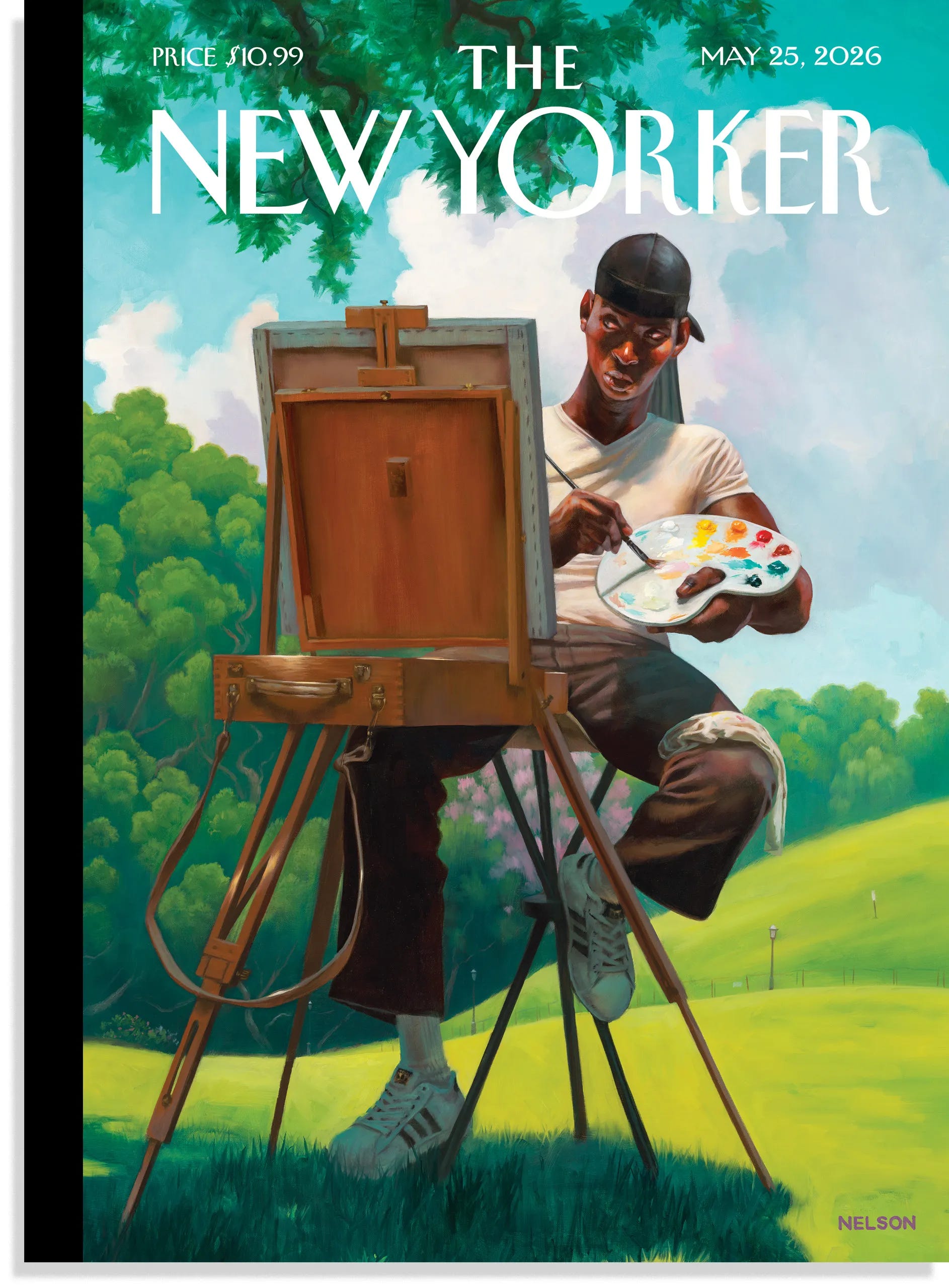
Kadir Nelson’s latest cover for The New Yorker captures a quiet but familiar scene: a young artist painting outdoors while nature moves around him. Nelson is known for his richly detailed depictions of Black life and history. Over the years, Nelson has created memorable covers, often centering Black life with vibrance and precision. His work has explored a wide range of topics, from protest and community to fatherhood, music, and everyday joy. Beyond magazine illustration, Nelson has also shaped the visual identity of music through album artwork, bringing the same cinematic storytelling to projects for major artists. Regardless of the medium, his work consistently treats ordinary life with care. His illustrations feel timeless, blending realism with storytelling in a way that has made him one of the defining visual artists of contemporary American visual culture.
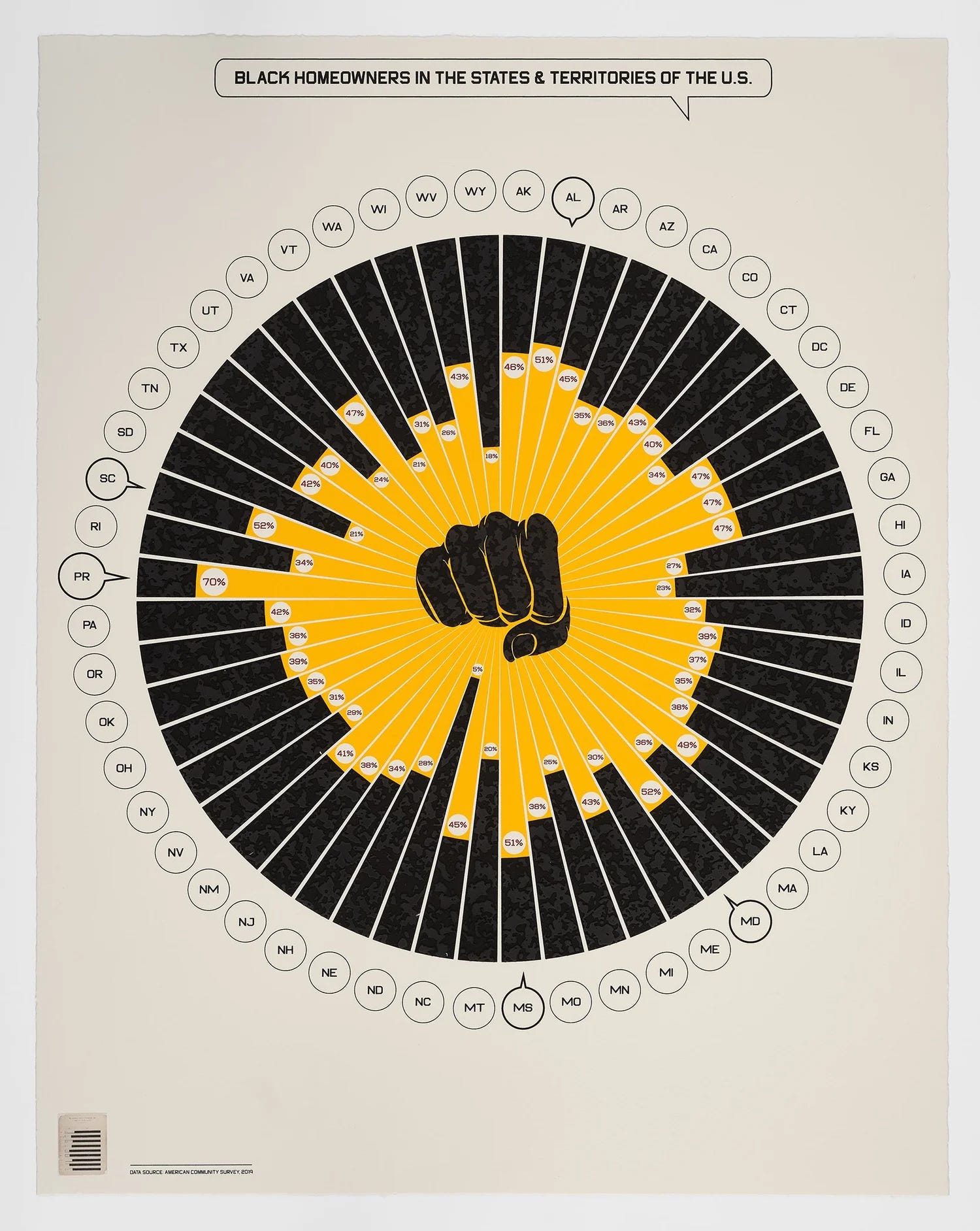
More than 120 years ago, W.E.B. Du Bois used data to challenge how Black life was portrayed in America. At the 1900 Paris World’s Fair, Du Bois and a team of Black scholars created hand-drawn charts documenting Black progress after slavery. The graphics were bold, elegant, and decades ahead of modern infographics. Now, Brooklyn Public Library is bringing that legacy to the present through the exhibition Printing Black America: Du Bois’s Data Portraits in the 21st Century. Artists William Villalongo and Shraddha Ramani expand Du Bois’s original work using contemporary data and printmaking to explore Black life today.

“The Terminal”: Where we navigate the vast sea of information to bring you the essential stops for our global Black audience. As a bustling terminal serves as a gateway to new destinations, our curated content will be your passport to knowledge, empowerment, and connection. Embark on this journey with us as we explore the world from a unique perspective—yours.
Nike has signed Hailey Baptiste to a sponsorship deal during the French Open.
BET Awards announced their nominations for the 2026 show.
“Is God Is” directed by Alesha Harris, has been released in theaters.
The Hamptons Black Art Council has announced its programming for this summer.
Conversations this week
Dr. Aleema Gray speaks about Black British music on the Deep Feedback podcast.
Press Picks
‘Till Infiniti - India Shawn
Foot On My Neck - 6LACK
24 Hours - Stormzy, Odeal
State Of Mind - DJ Tunez, Wizkid
WAHALA RIDDIM - THEHONESTGUY
Check out our Malindi Press Play playlist that’s updated weekly!
Song of the Week: “24 Hours” by Stormzy, Odeal (U.K.)
For sponsorship inquiries, please reach out via email: info@malindipress.com